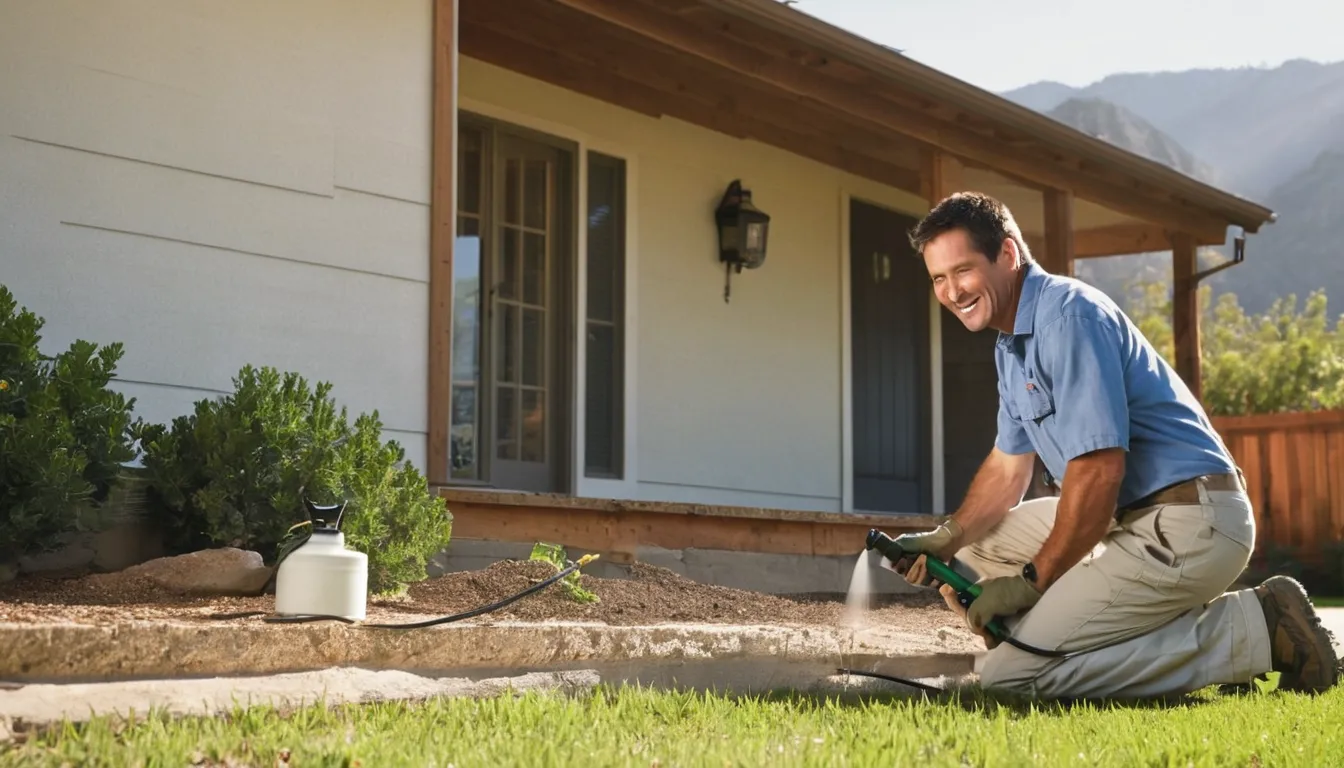
Catch Pest Problems While They Are Small
Think of a pest problem like a small leak under a sink. At first it is a drip. Left alone, it turns into a puddle, then a stain, then a repair bill. Ants on the counter, mice in the pantry and spiders in the garage behave the same way. They start small and they grow.
Pushedaggressive Pest Control is a referral service for homeowners in Longmont, CO and the Longmont area. We do not do the pest work ourselves. We connect you with an independent local provider in our network who handles residential pest control and wildlife removal.
Why does that help? Typing "exterminator near me" can turn into an hour of open tabs, phone menus and mixed advice. Here, you send one request and a provider follows up. The search stays short while the problem is still easy to manage.
The seasons matter too. Dry air, strong sun, heavy snow and a fast spring melt all push pests to move, nest and look for shelter. A good provider knows that rhythm and plans around it.
Get Started
Prefer to talk it through first? Request a callback to check provider availability.
How It Works
How a referral works
Picture the front desk at a busy clinic. The desk does not treat you. It points you to the right person. Pushedaggressive Pest Control works in a similar way. You describe what is happening, and a local provider in our network follows up with you.
The provider is independent. They look at the problem, explain the plan and give you a written quote. Pushedaggressive Pest Control does not do the work and does not set the price.
Why the seasons set the schedule
Pests follow the weather, much like people pull out a coat when fall arrives. When nights turn cold, mice and rats push toward warm walls and attics. When snow melts fast in spring, ants and spiders leave soggy soil and head for dry spots, often along your foundation. Hot, bright summer days and dry air send insects indoors in search of water. Hail and heavy snow can also crack trim and vents, which opens small doors.
That is why timing matters. A provider can often treat before a seasonal push, and that is easier than clearing out a full nest later.
What providers in our network handle
Everyday household pests
Residential pest control covers ants, spiders, roaches, crickets and similar visitors. Some providers also offer bed bug treatment and termite checks. Ask about these when you request your estimate.
Rodents and wildlife
Mice and rats chew wires and insulation. Larger animals may nest in attics or crawl spaces. Wildlife removal usually means finding the entry point, removing the animal in a lawful way, and sealing the gap so it does not return. Services vary by provider.
Serving Homes Across the Longmont area
Homes around Longmont, CO are a mix of newer frame construction, wood and stucco exteriors, and many basements. Each of those has its own weak points, much like different coats let in different drafts.
Stucco can crack as it dries in thin mountain air, and those hairline gaps are enough for ants. Wood siding and trim can shrink and split under strong sun at altitude. Basements stay cool and damp after the spring melt, which draws spiders, crickets and sometimes mice. Newer frame homes often have small gaps where pipes, vents and wires pass through walls.
Heavy snow loads and hail can also loosen roof edges, soffits and vents. A gap the width of a pencil can be a front door for a mouse.
Providers in our network serve homeowners throughout the Longmont area. Availability depends on the provider, the season and where your home sits, so it helps to ask early. If the weather has just turned, other homeowners are probably asking too.
When you send a request, mention what you see, where you see it and how long it has been going on. Those three details help a provider decide what to bring and what to look for.
Get Started
If you want to confirm who is available near you, Request a callback to check provider availability.
Seasonal Tips for Local Homeowners
Spring melt
Fast snowmelt works like a bathtub overflowing. Water pushes insects out of the soil and toward your walls. Check where the ground slopes, clear gutters and watch basement corners for damp spots.
Summer heat
Dry air and strong sun leave pests thirsty. Ants and roaches search for water in kitchens, bathrooms and laundry rooms. Fix drips and wipe down sinks at night.
Fall shelter hunting
When nights cool, mice act like campers looking for a tent. Seal gaps near doors, vents and utility lines before the first hard cold.
Winter and snow loads
Heavy snow can stress roof edges and hide damage. Warm attics attract rodents and other wildlife. Listen for scratching at night and tell your provider what you hear.
Spotting early signs
- Small dark droppings along walls
- Chewed packaging or wires
- Trails of ants near food
- Webs in corners of garages
- Tiny bites or spots on bedding, which may point to bed bug treatment being needed
What to prepare for a visit
Clear a path to the area, put food away and write down what you have seen. Keep pets out of the way. A short list saves time.
What it may cost
In the U.S., a one-time pest visit often runs from about $100 to $300, while rodent sealing, wildlife removal or bed bug work can run from several hundred to a few thousand dollars. Prices vary by job, so ask for a written quote.
Damage and insurance
Some policies may cover sudden damage, so check your policy. Providers can often help document damage for a claim.
Start Your Request
Tell us what you are seeing, and a local provider in our network can follow up. Share the pest, the room and how long it has been happening. You decide whether to move forward, with no obligation.
Get Started
If you would rather talk, Request a callback to check provider availability. Hours vary by provider.